
Flatwork That Handles Freeze-Thaw Cycles
Concrete Installation & Flatwork in Macomb for patios, walkways, sidewalks, and pads where durability and low maintenance matter
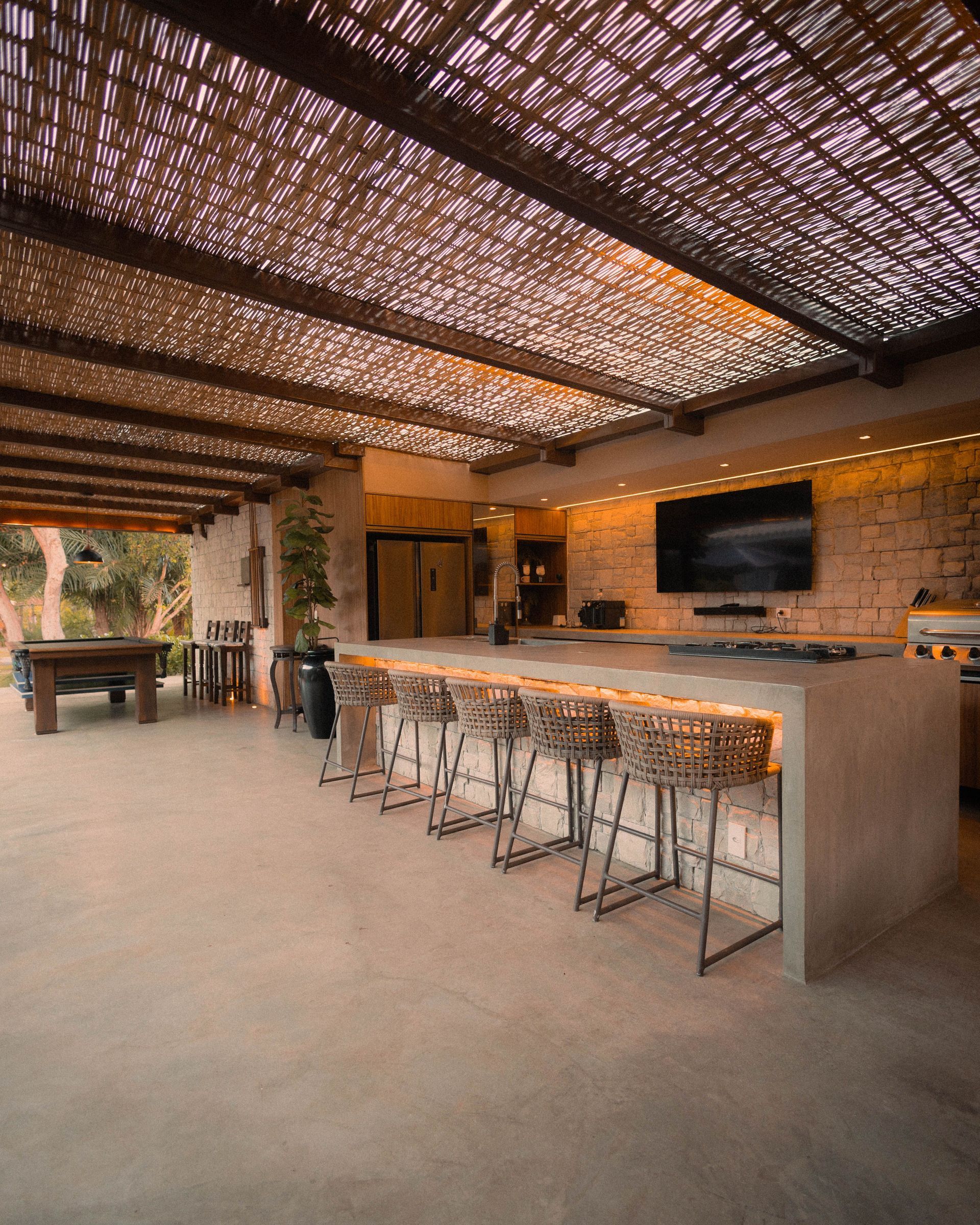
Concrete flatwork in Macomb takes repeated freeze-thaw cycling from November through March, which means proper subbase preparation and control joint spacing determine whether slabs crack in the first winter or last twenty years without significant deterioration. You need concrete poured over compacted aggregate with adequate thickness for the intended load, and you need joints cut or formed at intervals that control where cracks develop. Scenic Stoneworks LLC handles site preparation, forming, pouring, and finishing for patios, walkways, sidewalks, pads, and related concrete projects where the installation process directly affects long-term performance and appearance.
The work involves excavating to depth, placing and compacting crushed stone or gravel, setting forms to grade, pouring concrete mixed to the appropriate strength for the application, and finishing the surface with troweling or brooming depending on the desired texture and slip resistance. Control joints are cut or formed at intervals that manage shrinkage cracking, and edges are shaped to prevent chipping under mower wheels and foot traffic.
Schedule a project consultation to assess site conditions and discuss concrete specifications for your property.
What Proper Concrete Installation Requires
Subbase preparation determines how well concrete resists settling and cracking because the slab is only as stable as the material beneath it, which means compacting aggregate in lifts and achieving uniform density across the excavation before any concrete is placed. Decorative and traditional concrete options include broom finishes for slip resistance, troweled finishes for smooth appearance, and exposed aggregate for texture, with each finish requiring different timing and technique during the curing window.
Once the concrete cures, you'll notice a stable walking or driving surface that sheds water toward drainage points and maintains consistent elevation without the dips or heaving common in poorly prepared flatwork. Properly placed control joints create straight crack lines at predetermined locations rather than allowing random cracking to develop across the slab, and sealed joints prevent water infiltration that accelerates freeze-thaw damage in Michigan winters.
Concrete thickness varies based on use—four inches for foot traffic, five to six inches for vehicle loads—and reinforcement options include welded wire mesh or rebar depending on span and load expectations. Decorative concrete adds integral color or surface treatments but does not change the structural requirements for subbase, thickness, or jointing that ensure the slab performs as intended.
Common Concrete Flatwork Questions
Property owners in Macomb typically ask these questions when planning concrete installations.
How soon can I walk on newly poured concrete?
Initial set allows foot traffic after twenty-four to forty-eight hours depending on temperature and mix design, but full strength develops over twenty-eight days, so vehicle loads and heavy equipment should wait at least one week to avoid surface damage.
What causes concrete to crack even when it looks properly installed?
Shrinkage during curing creates internal stress that releases as cracks, which is why control joints are placed to direct those cracks into straight lines at planned locations rather than allowing random cracking to develop across the slab.
Why does subbase preparation matter if the concrete itself is strong?
Concrete slabs are rigid and do not flex, so any settlement or voids in the subbase translate directly into unsupported sections that crack under load or during freeze-thaw cycles common in Macomb from late fall through early spring.
Can decorative concrete be added to an existing slab?
Surface treatments like staining or stamping require a sound existing slab without significant cracking or spalling, and results depend on the condition and age of the concrete, so evaluation is necessary before committing to decorative overlays.
What maintenance does concrete flatwork need long-term?
Sealing every few years protects against surface moisture penetration and staining, and filling control joints with flexible sealant prevents debris accumulation and reduces edge chipping, but concrete itself requires minimal upkeep compared to wood or composite decking.
Scenic Stoneworks LLC evaluates site grading, soil conditions, and drainage before recommending concrete specifications. Contact us to discuss your flatwork project and confirm that the installation approach matches your performance and budget requirements.