
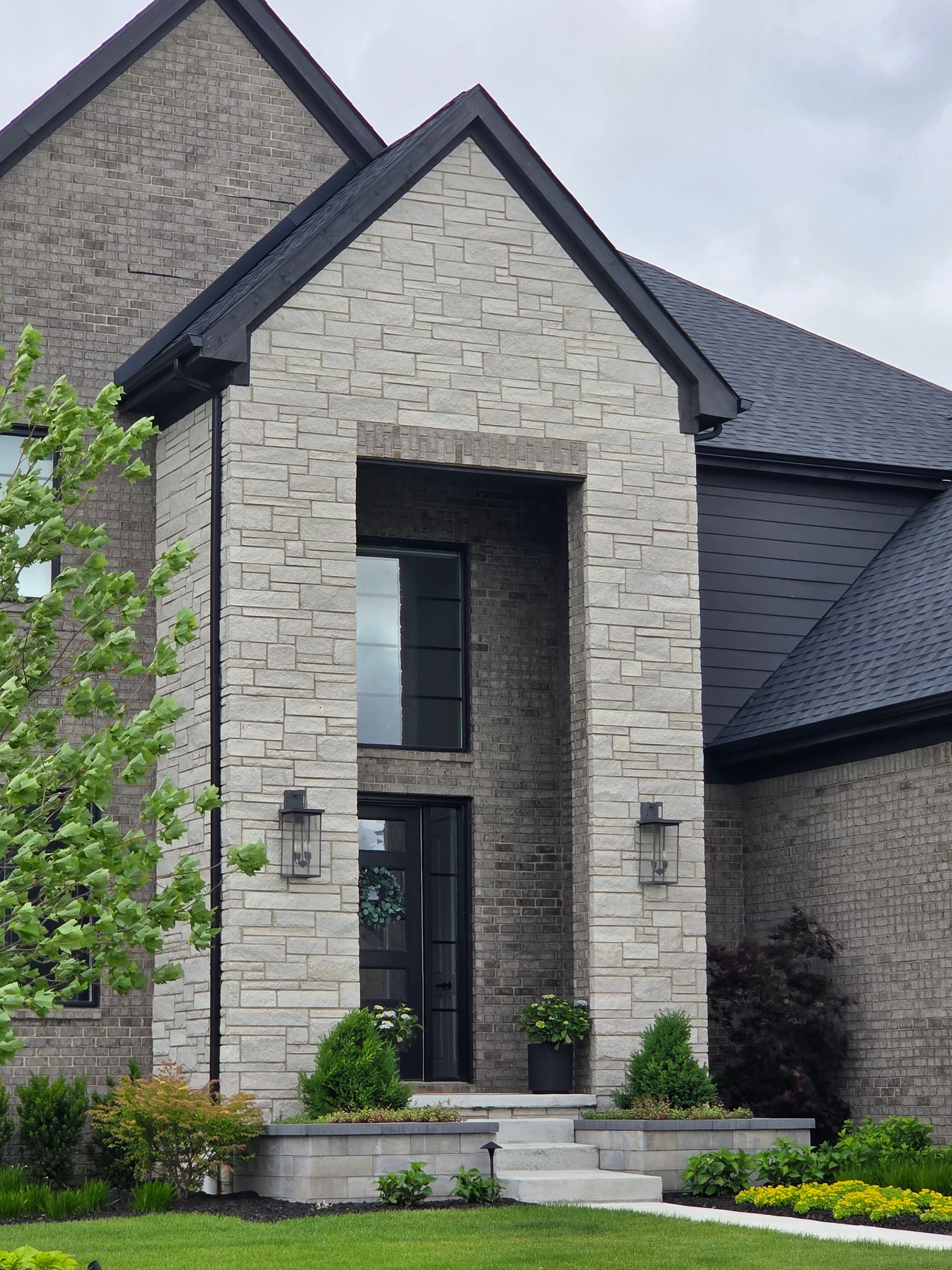
Stone Surfaces With Texture and Permanence
Natural Stone Installation in Macomb for walkways, accent features, and landscape hardscape requiring authentic material character
Natural stone offers color variation, surface texture, and visual depth that manufactured products can't replicate, making it a preferred choice for homeowners and commercial property managers who want hardscape elements that look less uniform and more integrated with surrounding landscapes. Stone types vary in porosity, slip resistance, and how they weather over time, so material selection affects both initial appearance and long-term performance. Scenic Stoneworks LLC installs flagstone, limestone, granite, and other natural stone materials for walkways, patios, retaining wall caps, and decorative accents, using methods suited to each stone's thickness, surface finish, and intended application.
Installation methods differ based on stone type and use: irregular flagstone is typically set in sand or mortar over a compacted base, while cut stone pavers are laid with tight joints similar to manufactured units. Thicker stone slabs used for steps or hearth pads require solid bedding to prevent rocking, and vertical stone veneers on walls or columns are mortared to backing surfaces with weep provisions to prevent moisture trapping. Each stone is evaluated for structural integrity before placement, since natural materials can have hidden fissures or weak planes that affect durability.
Arrange a stone selection consultation to review material options suited to your project type and aesthetic preferences.
What Natural Stone Installation Involves
Stone installation demands attention to individual piece shape, thickness variation, and how adjacent stones fit together to create stable, visually balanced layouts. Irregular flagstone requires skilled fitting to minimize joint widths while maintaining structural contact, and cut stone must be aligned to consistent joint spacing and elevation. Mortar joints are tooled to shed water and prevent freeze-thaw damage, while sand-set installations rely on base stability and edge restraint to prevent shifting.
Once installation is complete, you'll notice the unique color shifts and surface texture inherent to natural materials, surfaces that age without looking worn, and joints that blend into the overall design rather than dominating the appearance. Stone walkways develop traction from textured surfaces and remain stable underfoot without wobbling or rocking. Patios and accent features show the natural striations and mineral content variations that make each installation distinct, and the material holds up to foot traffic, weather exposure, and temperature swings without fading or spalling like some concrete products.
Long-term performance depends on sealing choices, with some clients preferring natural weathering and others applying penetrating sealers to reduce staining and moisture absorption. Stone type affects maintenance requirements as well, with denser granite and limestone needing less frequent attention than softer sandstone. Joint material also varies, from polymeric sand in tight joints to mortar in wide-set flagstone, each offering different durability and weed resistance characteristics.
Common Questions About This Service
Homeowners considering natural stone often ask about material differences, installation methods, and how stone performs compared to manufactured alternatives.
What is the difference between flagstone and cut stone pavers?
Flagstone has irregular edges and variable thickness requiring custom fitting, while cut stone is shaped into uniform dimensions and installed with consistent joint spacing like manufactured pavers.
ow does natural stone handle freeze-thaw cycles in Macomb?
Dense, low-porosity stones like granite resist water absorption and freeze-thaw damage, while softer stones may require sealing and proper drainage to prevent spalling or surface deterioration.
What installation method works best for stone walkways?
Sand-set flagstone over compacted base allows drainage and minor settling without cracking, while mortared stone over concrete provides a rigid surface suited to areas needing wheelbarrow or equipment access.
How long does natural stone last compared to concrete pavers?
Properly installed stone remains functional for generations, with appearance improving as it weathers, whereas concrete pavers may fade or require replacement if surface coatings wear off.
What maintenance does natural stone require?
Stone surfaces need periodic cleaning to remove debris and organic staining, and some types benefit from sealing every few years to reduce moisture absorption and prevent efflorescence.
Scenic Stoneworks LLC provides natural stone installation for clients who value material authenticity, craftsmanship, and long-term durability. Request a project estimate to review stone options and installation methods suited to your property's design and use requirements.